November 20, 2026
Few sounds make a driver’;s stomach drop faster than an unfamiliar metallic clunk under the hood or a sudden dashboard warning chime on the morning commute. Even when you drive carefully and stay mindful of dashboard gauges, mechanical wear and tear eventually catch up with every car on the road. Worn brake pads, leaking radiator hoses, failing air conditioning compressors, and tired suspension struts rarely wait for a convenient payday to demand attention.
Because modern vehicles are staying on the highway longer than ever before, setting aside money for surprise mechanical bills is no longer optional—it is an essential part of smart household planning. According to The Wall Street Journal, the average age of cars on American roads has climbed to 13.6 years, significantly higher than the 8.4-year average from three decades ago. Building a dedicated cushion for auto repairs keeps a sudden trip to the service bay from derailing your monthly rent, groceries, or family vacation plans. Exploring practical budgeting habits and smart maintenance strategies helps you stay financially prepared all year long.
Building a Dedicated Monthly Vehicle Savings Fund
The simplest way to take the sting out of an unexpected service bill is to treat vehicle upkeep like a regular monthly utility bill rather than a surprise emergency. Setting up an automatic transfer of fifty to one hundred dollars each paycheck into a separate high-yield savings account creates a reliable safety net over twelve months. Even a modest weekly contribution grows steadily in the background while you go about your daily routine.
Having cash tucked away specifically for auto repairs means you never have to put a four-figure brake or cooling system bill on a high-interest credit card. When a check engine light pops on, or a steering component wears out, you can approve the necessary work immediately without worrying about interest charges piling up. Keeping that dedicated vehicle fund separate from a regular checking account removes the temptation to spend it on impulse purchases.
Scheduling Routine Maintenance to Catch Small Issues Early
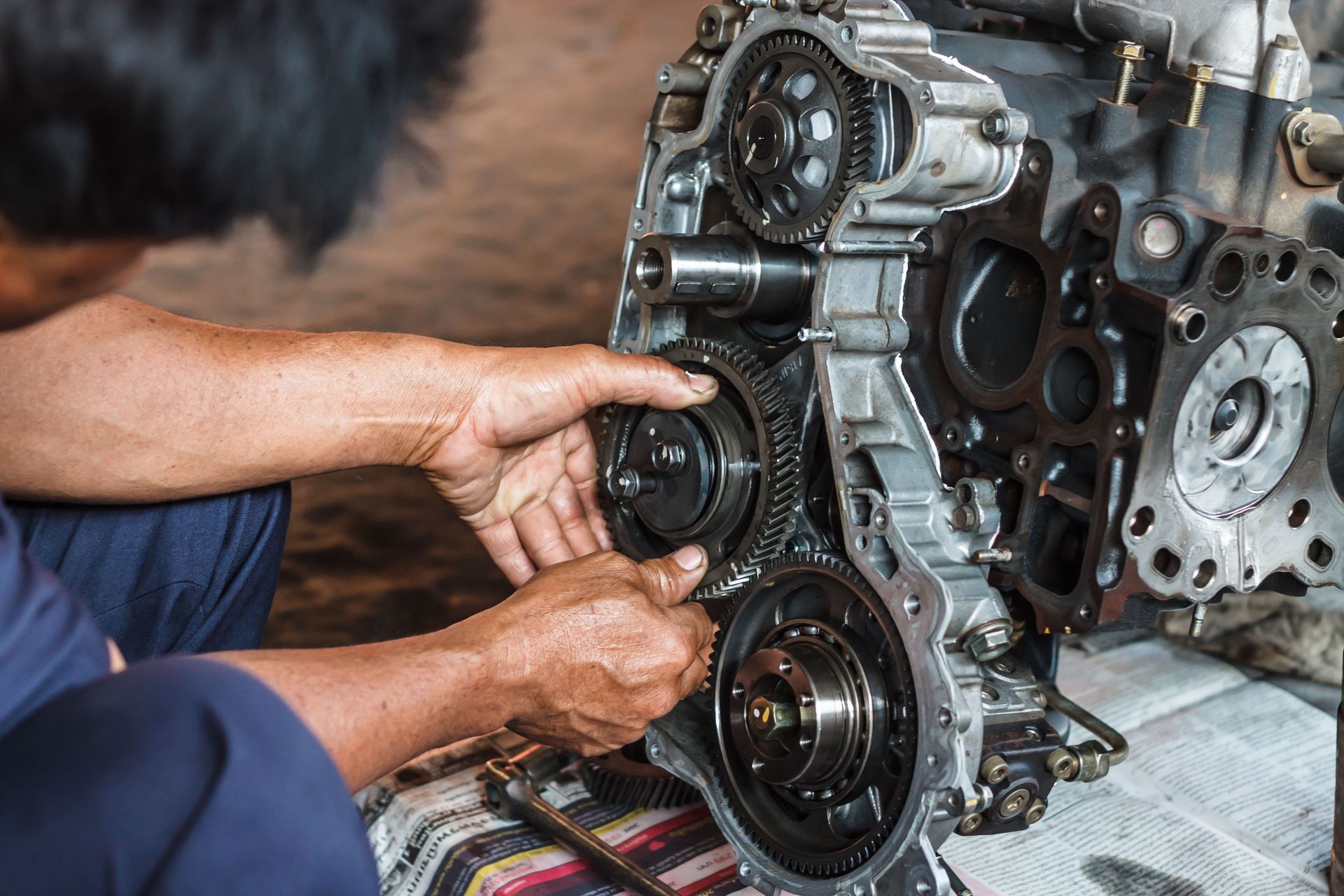
Spending a small amount on scheduled fluid changes and multi-point inspections is the single best defense against massive, budget-busting breakdowns. Fresh motor oil lubricates fast-moving engine bearings, clean engine air filters protect fuel efficiency, and periodic coolant flushes keep radiators and water pumps from corroding inside. Skipping routine service appointments might save eighty dollars today, yet it frequently leads to thousands of dollars in avoidable engine or cooling system damage later.
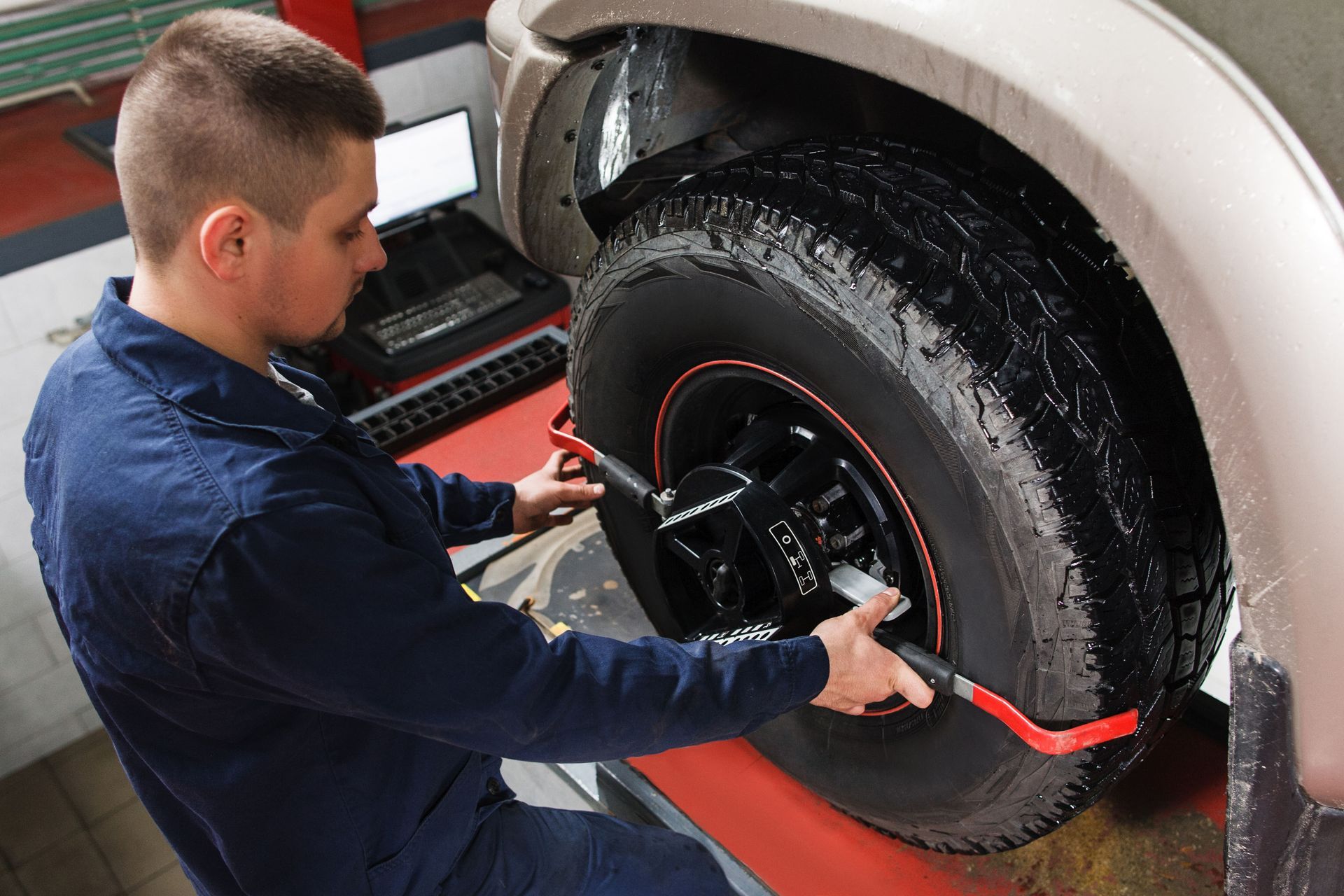
Partnering with trusted mechanics for routine upkeep reduces the frequency and severity of surprise auto repairs throughout the year. During regular oil changes and brake checks, trained technicians spot weeping hoses, thin brake pads, and cracked drive belts while they are still inexpensive to fix. Addressing a worn serpentine belt or low brake fluid early keeps minor wear from snowballing into roadside emergencies.
Tracking Common Wear-and-Tear Lifespans by Mileage
Every component on your car has a predictable service window, even if it does not break on an exact calendar date. Brake pads typically need replacement every thirty thousand to fifty thousand miles, batteries lose cranking strength after three to five years, and shocks or struts gradually soften around sixty thousand to eighty thousand miles. Knowing roughly where your vehicle stands in its lifecycle lets you anticipate upcoming expenses months ahead of time.
Reviewing your owner’s manual alongside past service receipts helps you map out likely auto repairs before parts fail. If your odometer is approaching seventy-five thousand miles and you have never serviced the suspension or flushed the brake fluid, you can increase your monthly savings transfer ahead of time. Forecasting milestone maintenance turns sudden mechanical surprises into predictable, planned household expenses.
Requesting Accurate Engine Diagnostics Before Approving Work
When a vehicle starts running rough, overheating in traffic, or illuminating warning lights on the instrument cluster, guessing at the cause is a fast way to waste hard-earned money. Swapping out random sensors or buying parts based on internet forum guesses often leaves the real problem unfixed while draining your repair budget. Precision testing identifies the exact faulty component before a single wrench turns.
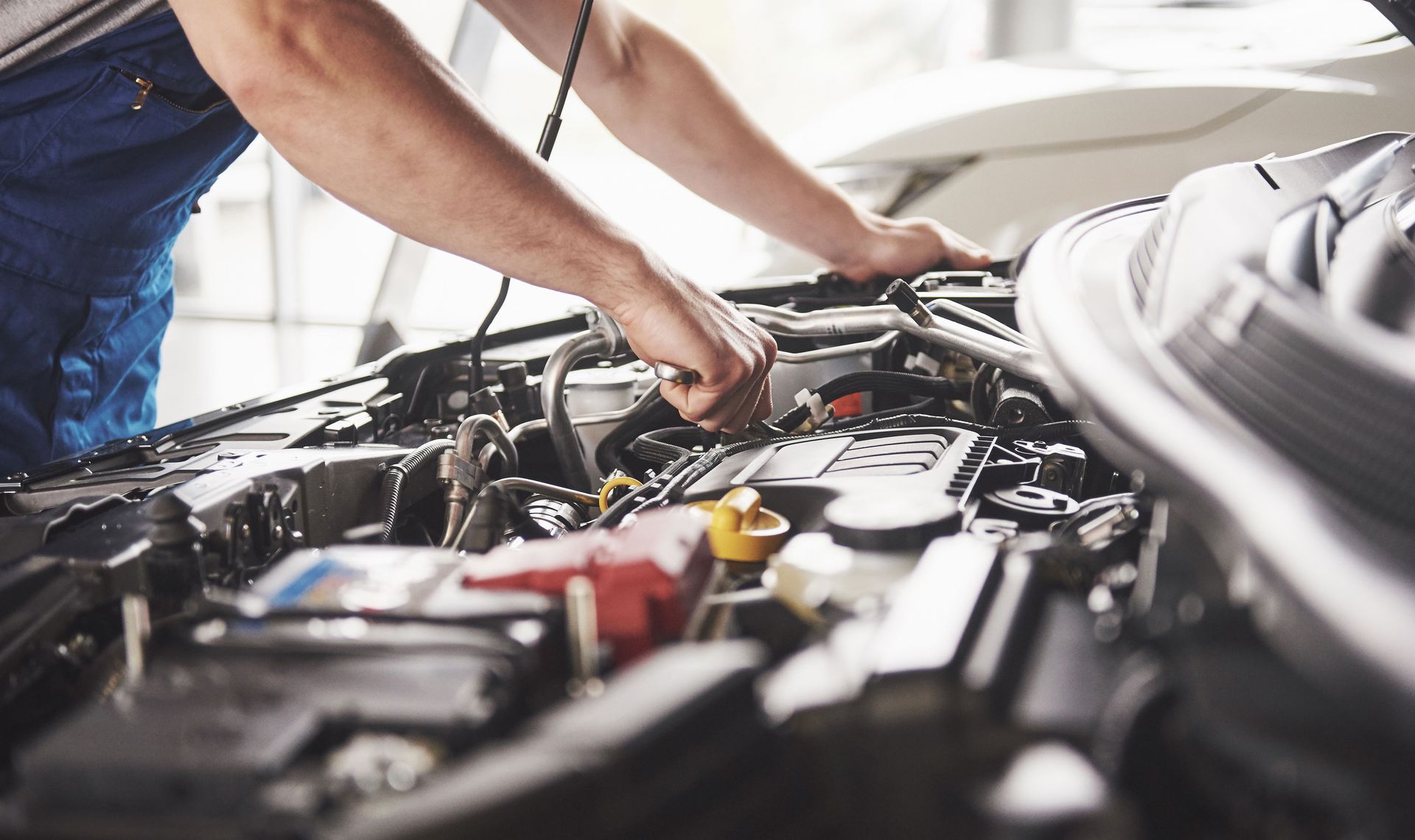
Investing in thorough electronic diagnostics saves substantial money on auto repairs by eliminating trial-and-error part replacements. Experienced technicians connect factory-grade diagnostic computers to read live engine data, test electrical circuits, and inspect mechanical systems accurately. Getting a clear, itemized diagnosis upfront ensures every dollar you spend goes directly toward solving the true root cause of the issue.
Comparing Independent Specialists Against Dealership Rates
Many drivers assume they have to return to a franchised new-car dealership for specialized care—especially when driving luxury European models like a Mercedes-Benz. However, large dealership service departments carry massive overhead costs that often translate into steep hourly labor rates and inflated parts markups. Fortunately, independent local specialists offer identical technical expertise and honor manufacturer warranties at far more reasonable prices.
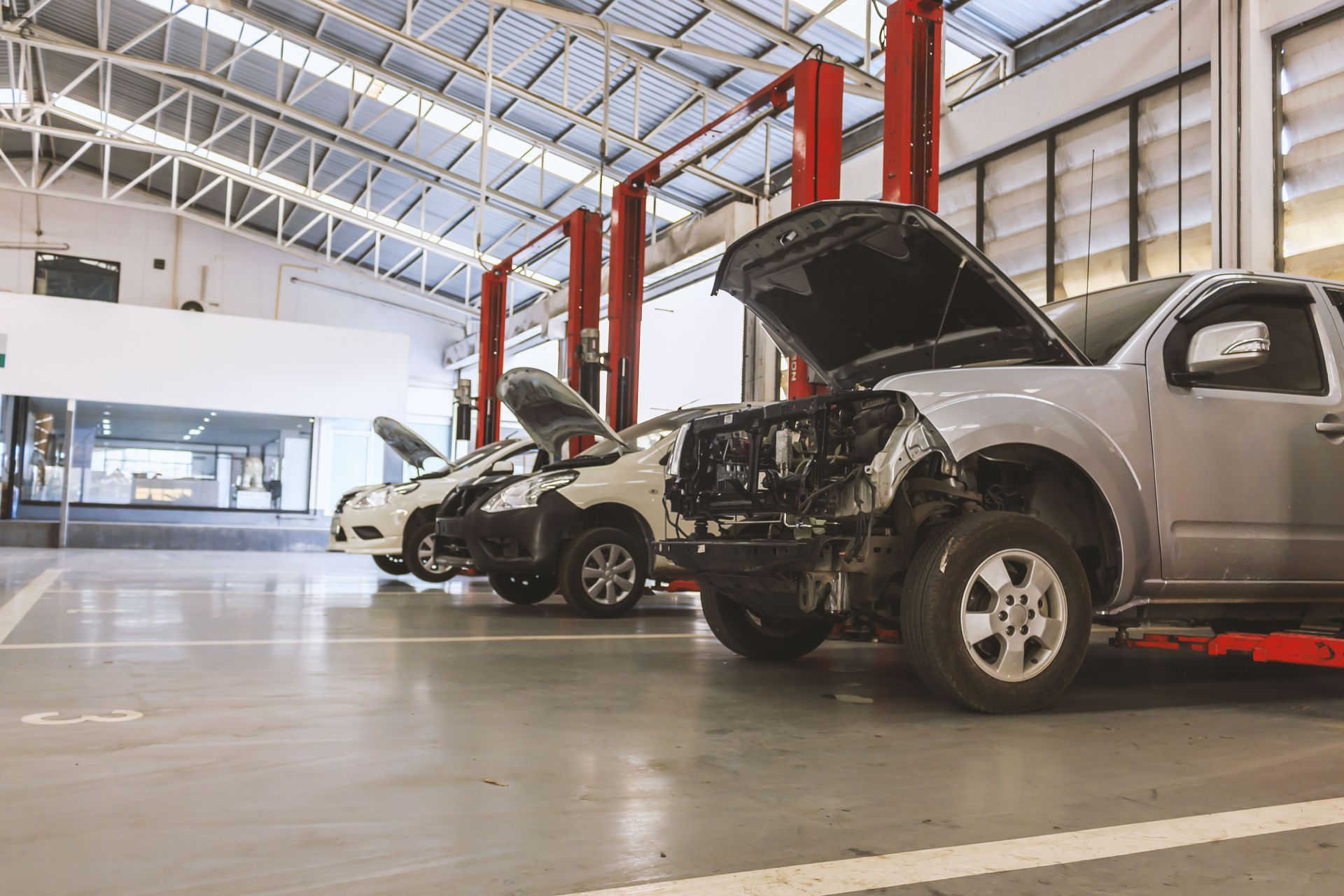
Choosing a reputable local shop for your auto repairs stretches your maintenance budget much further without sacrificing workmanship quality. Independent ASE-certified technicians bring decades of brand-specific knowledge, use top-grade replacement parts, and offer competitive pricing alongside helpful perks like price matching or military and veteran discounts. Building a relationship with an honest neighborhood shop delivers personalized care and transparent estimates on every visit.
Prioritizing Safety-Critical Repairs
When multiple items show up on a multi-point inspection report at the same time, knowing how to prioritize the work protects both your safety and your wallet. Essential safety and drivability systems—such as worn brake rotors, leaking radiator hoses, failing steering linkages, or faulty heating and defroster controls—always belong at the top of your repair list. Minor cosmetic blemishes, small door dings, or non-essential trim issues can comfortably wait until your savings fund rebuilds.
Asking your service advisor to rank recommended auto repairs by urgency helps you phase larger projects across several paychecks. Honest technicians clearly separate immediate safety concerns from routine maintenance items that have a few thousand miles of life remaining. Tackling urgent mechanical needs first keeps your car safe on the highway while giving your budget breathing room for secondary items.
Reviewing Warranty Coverage and Insurance Options
Before paying out-of-pocket for major mechanical work or collision damage, always double-check what coverage you already have in place. Newer vehicles or recently replaced parts may still fall under manufacturer powertrain warranties or shop labor guarantees. Likewise, if a pothole bends a suspension arm or a parking lot fender-bender damages body panels, your comprehensive or collision auto insurance policy may cover the bulk of the bill.
Keeping a dependable car on the road does not have to mean living in constant fear of the next dashboard warning light or service invoice. By setting aside a modest monthly vehicle fund, keeping up with routine oil and fluid maintenance, tracking mileage milestones, and insisting on accurate electronic diagnostics, you stay firmly in control of your automotive expenses.
Prioritizing safety-critical brake, cooling, and suspension work while taking advantage of competitive independent shop rates stretches every dollar further. With a clear financial plan and a trustworthy mechanical partner in your corner, unexpected vehicle issues become manageable errands rather than financial emergencies. Whenever your vehicle needs honest diagnostics, routine upkeep, or dependable
auto repairs backed by decades of specialized experience, reach out to Precision Auto Center today to schedule your service.